UNIT 4- ROMANTICISIM
Romanticism evaluation
Mya Howlett
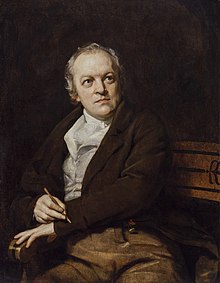
Our research on romanticism started with finding poetry, art work, music and theatre during the period (aprx. 1800-1850). We soon realised that most art and literature was inspired by strong emotions such as apprehension, terror and horror in coincidence of the celebration of nature imagination and beauty. You could say this spur of emotion provoking art was an effect of the industrial revolution. Romantic writers such as William Blake changed their writing style to focus on the inner world of emotions of the narrator, this style enabled the reader to empathize for the writer. This became very popular however was only effective if the writer had developed fine skills.
We also learned about 'romanticism today' in contextual studies. We looked at vouge and other fashion modelling shoots and commercials. There was themes of flowers and frills, and nude and pastel colours. This helped me to design make up ideas that are modern but authentic.
 We then wrote the narrators script. We also sourced costumes for the characters. In our music lessons we stared making a sound effect track with the sound of the wind, rain, bass, birds, church bells and other noises you might find in a grave yard, where our scene was set. we recorded the rain sound by using a sponge and a tin tray. The wet sponge made a rain droplet sound on the metal tray when squeezed gently. We then pasted this sound many times and changed the pitch, reverb and volume of each one and layered them on top of each other.
Mya Howlett
Our research on romanticism started with finding poetry, art work, music and theatre during the period (aprx. 1800-1850). We soon realised that most art and literature was inspired by strong emotions such as apprehension, terror and horror in coincidence of the celebration of nature imagination and beauty. You could say this spur of emotion provoking art was an effect of the industrial revolution. Romantic writers such as William Blake changed their writing style to focus on the inner world of emotions of the narrator, this style enabled the reader to empathize for the writer. This became very popular however was only effective if the writer had developed fine skills.
We also learned about 'romanticism today' in contextual studies. We looked at vouge and other fashion modelling shoots and commercials. There was themes of flowers and frills, and nude and pastel colours. This helped me to design make up ideas that are modern but authentic.
Our task was to create a short theatre piece with all elements of lighting sound costume hair make up props and set design. As a group we created an acceptable story scenario and developed characters based on the strong emotions that are typical of romanticism theatre.
We brain stormed our idea on a white board.

We recruited 3 actors from the UAL level 3 acting course. Two of them where costumed and had their hair and make up done by me. And the other was the off stage narrator that read the script in a spooky story telling voice. In the beginning we had the idea of adding an echo to the microphone but then found that this made it hard to understand what the narrator was saying so we scrapped that and asked the actor to play with his voice instead. This lesson was useful to the sound technician as i feel he learned that not everything can be conquered technically, sometimes you have to trust the creative performers to do what they do best. It took many takes for the actors to find their light and to get into role and for the lighting technician to find the right balance of light between the lights and the graveyard projection at the back. as the projection was quite faint and in black and white, the brighter the light the less visible the projection became. After retaking and perfecting things as small as the way the actors walk and the way the narrator pronounced certain words, we finally reached a standard that I would call quite impressive.
With the recording finally taken and watched back we decided that was the one and we called it a day. I found this project vital for our self confidence in our abilities as a technical crew with no teacher or leader. This task helped us value each others opinions and work together as a team.
Comments
Post a Comment